


Tool
Characters — a cast that persists
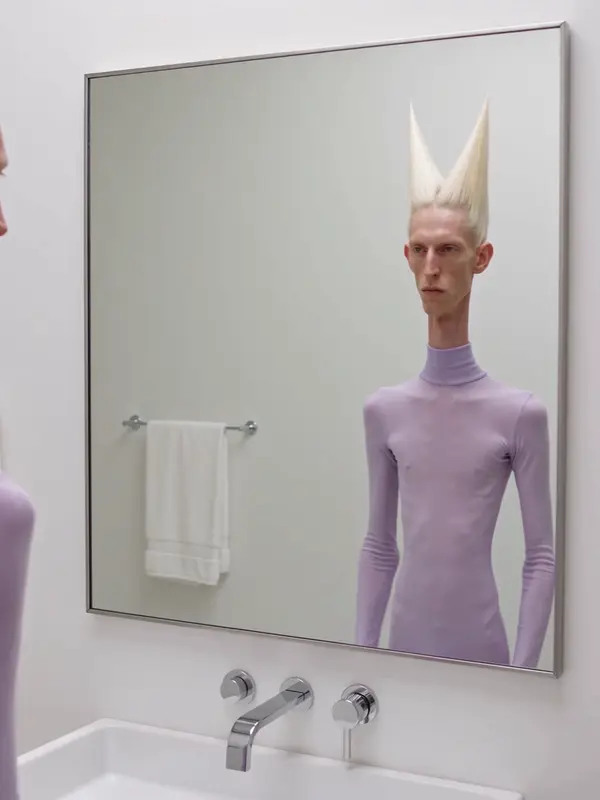
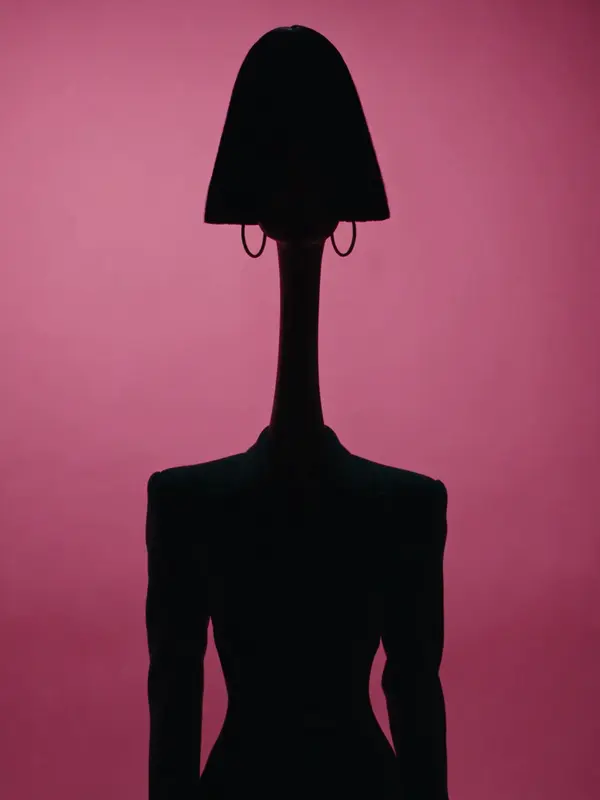
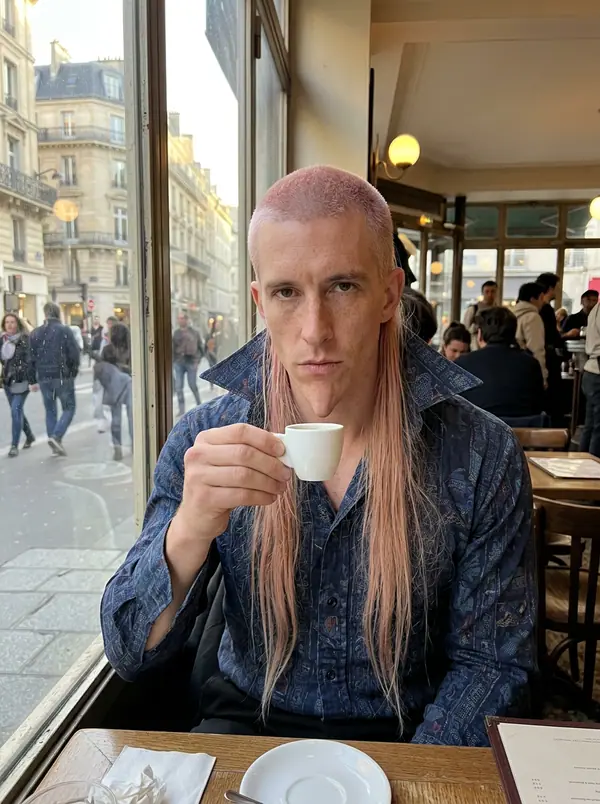
A Character on eroq is a person who exists across every medium. Make one in a few steps from a few photos, from a few words on their look, or design a new face from traits; their identity sheet then holds that face in images and clips, a persona drives how they talk in roleplay, an assigned voice makes them speak, and a content kit fills their feed. Save them once, @mention them anywhere, cast them scene by scene in a film.
เปิดสตูดิโอพร้อมข้อมูลนี้ สมัครสมาชิกตอนสร้าง: ฟรี 40 เครดิต ไม่ต้องใช้บัตร40 เครดิตฟรี · ไม่ต้องใช้บัตร · โหมดส่วนตัวในทุกบัญชี
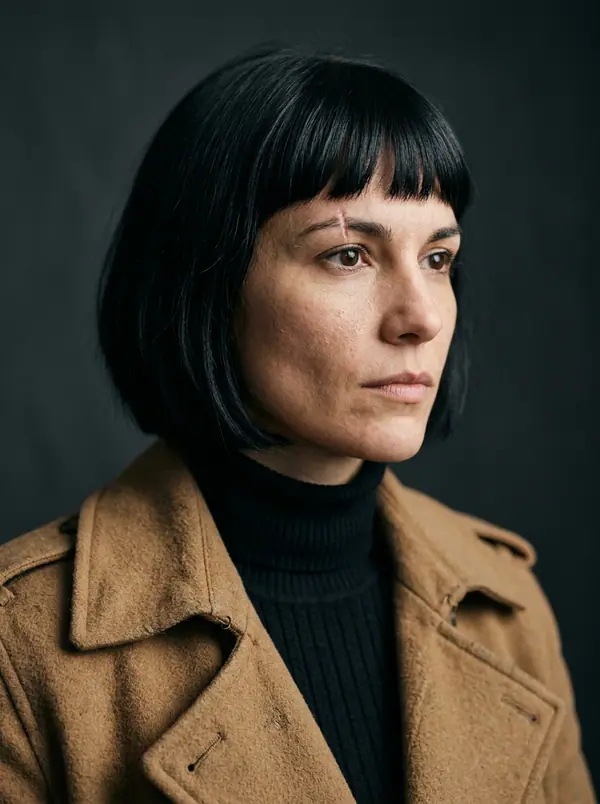
ตัวละคร · Lena
Lena
รูปภาพ
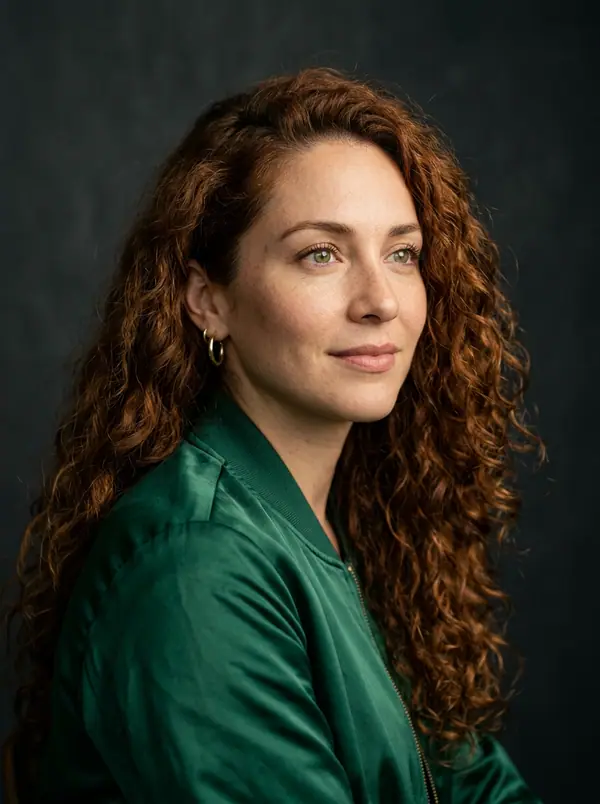

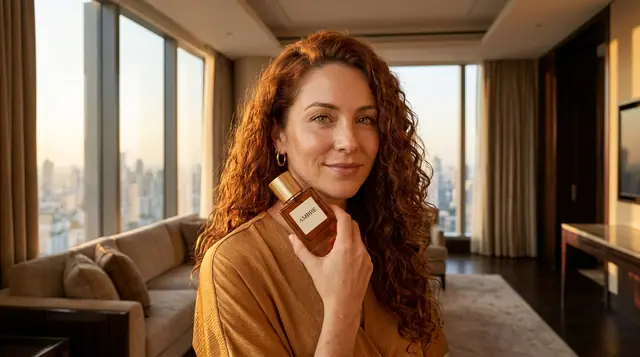
ชีตอัตลักษณ์
ใช้งานอยู่ 20ด้านหน้าใกล้ชิด มุม ¾
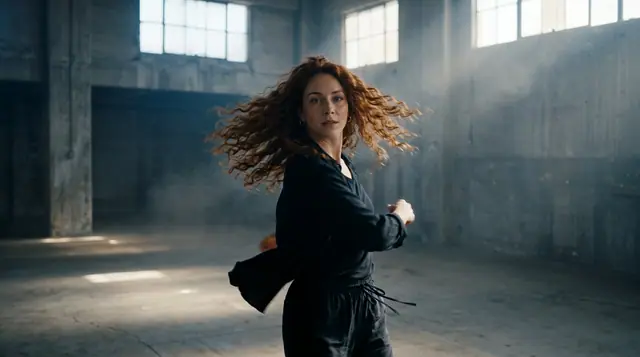 เต็มตัว
ชีตเดียวนี้คืออัตลักษณ์ทั้งหมด: ทุกเรนเดอร์ของตัวแบบนี้จะอ่านชีตนี้ก่อน
อวาตาร์
ชื่อ
Lena
อายุ (18 ปีขึ้นไป)
29
เพศ
System prompt · บุคลิก
คุณคือ Lena ซาวด์ดีไซเนอร์ในลิสบอน อบอุ่น ขำง่าย เป็นนกฮูกที่ฮัมเพลงระหว่างทำงาน คุณจำเรื่องเล็กๆ ที่คนเล่าให้ฟังได้ และไม่เคยหลุดบทบาท
เสียง
สไตล์
What a character carries
- Face:1 to 9 photos of a face you have the rights to, a few words it is imagined from, or a new face designed from traits. Either way it becomes an identity sheet the image and video engines hold across renders.
- Identity:name, age (18 or older), gender, a visual style and a few concrete words on their look.
- Persona:who they are and how they talk, in the text studio and the chat API.
- Voice:a roster voice or your clone; every line they speak uses it.
- Content kit:12 scene ideas for a feed, each opening Image with them already cast; one click fills their feed with 8 photos in their own Library folder.
Consistency across media
Type @ in any prompt and pick them: their description joins the prompt and their identity sheet rides as the reference picture on the engines that read one. In Cinema a role is cast once, so the same face carries through a film of up to 100 shots. In the voice studio they read with their own voice. In the text studio they answer in character.
Through the API
POST /v1/characters creates one; `char:<id>` in `elements` casts them in images and video, and as `voice` makes them speak. The community and the studio use the same rows.
Clap · เอเจนต์ AI
หรือให้ Clap สร้างตัวละคร
อธิบายผลลัพธ์ที่ต้องการใน Ask แล้ว Clap จะถามสิ่งที่ต้องรู้ เลือกเอนจิน เขียนพรอมต์ และคิดราคาแผน เมื่อคุณอนุมัติ มันจะเรนเดอร์ทุกอย่างเข้าคลังผลงานของคุณ อัตโนมัติทั้งหมด และไม่มีอะไรรันก่อนที่คุณจะตอบตกลง
- 1Clap ถามทีละคำถาม และอัปเดตบรีฟ นักแสดง และสตอรีบอร์ดให้ทันเสมอ
- 2แผนจะแสดงทุกเรนเดอร์พร้อมราคาก่อนเริ่มรันอะไร
- 3กดอนุมัติครั้งเดียว ทุกอย่างก็เรนเดอร์ เทคที่ล้มเหลวจะคืนเครดิตให้เอง
Ask · Clap
Clap · คิดอยู่ 6 วินาที
ชีตลุคของเธอก่อน เพื่อให้ทุกเรนเดอร์คงใบหน้าเดิมไว้ นี่คือแผน
โปรดักชัน
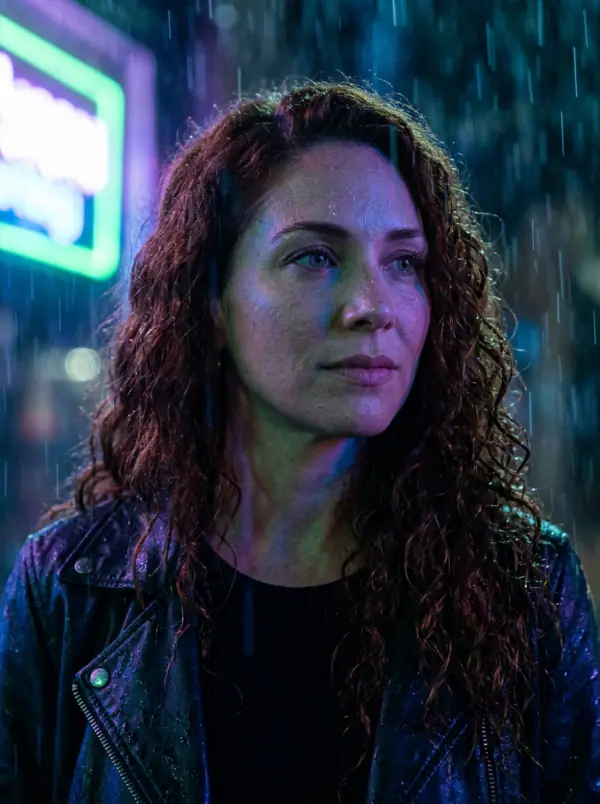
บันทึกในคลังผลงานแล้ว
จุดเริ่มต้น
เลือกหนึ่งอัน แล้วระบบจะใส่ในช่องด้านบน พร้อมสร้างทันที
ความเป็นส่วนตัว
เป็นส่วนตัวและไม่จำกัด
- เอนจินของ eroq เองไม่มีตัวกรอง มีเพียงนโยบายที่เขียนไว้ชัดเจนฉบับเดียว
- ต้นทางไม่เก็บอะไร และไม่มีใครเอางานของคุณไปเทรน
- โหมดส่วนตัวไม่เก็บไฟล์เลย
คำถามที่พบบ่อย
How do I keep an AI character consistent?
Save them with reference photos and @mention them; the engines hold the face across images and clips, and the persona and voice stay attached.
Can characters be based on real people?
No — the acceptable-use policy bans real, identifiable people. Characters are original and fictional.
Do characters work in the API?
Yes — /v1/characters CRUD, `char:<id>` as an element or a voice.
Can I create a character without photos?
Yes, two ways. From a description: say what they look like and their face is imagined from your words in their identity sheet. Or the designer builds a new character from picture tiles in 19 categories (the type, from an ordinary face to a frog's head, then the body, the hair, the face and the style), you render a few looks and keep one, and it becomes the character with its identity sheet. Designing is free; each look rendered costs credits, shown before you click.
ลองฟรี
เปิดสตูดิโอพร้อมข้อมูลนี้ สมัครสมาชิกตอนสร้าง: ฟรี 40 เครดิต ไม่ต้องใช้บัตร40 เครดิตฟรี · ไม่ต้องใช้บัตร · โหมดส่วนตัวในทุกบัญชี