Video
Image-to-video
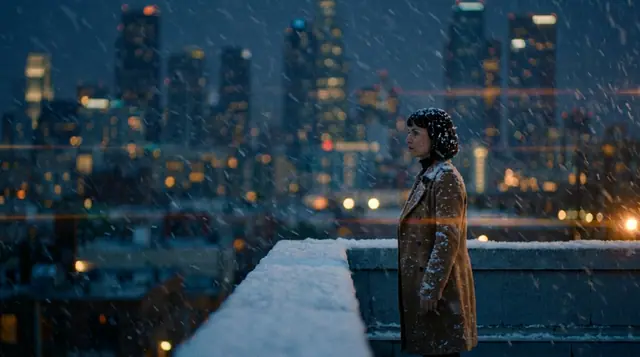
Image-to-video animates a still image into a video clip: the picture fixes the subject and framing, and a prompt describes the motion. It is the standard way to keep a specific face or product consistent in generated video.
Because the reference image carries identity, composition and style, the prompt only has to direct movement — a turn, a breeze, a push-in. Some engines accept both a start frame and an end frame and interpolate between them, which gives precise control over where a clip ends.
Sur eroq
Every engine accepts a start image, and eroq Motion One, Seedance, Veo, Kling and Hailuo also take an end frame. Sources are a photo or a render from the image studio (press Animate); on Motion One a saved Character's picture works too, while elsewhere a Character rides as a reference picture instead.
Confidentialité
Privé et sans restrictions
- →Aucun filtre sur les moteurs d’eroq : une politique écrite à la place.
- →Ils ne gardent rien, et rien ne s’entraîne sur ton travail.
- →Le mode privé ne garde aucun fichier.
Questions
Does image-to-video keep the face?
Yes — that is its purpose. Kling and Seedance hold identity especially well through motion.
Should the prompt describe the image again?
No — describe only what moves. Re-describing the subject fights the reference.
Does image-to-video cost more than text-to-video?
Almost never — the price follows the engine, the length and the resolution, not the start image: a Motion One clip is 145 credits with or without one. The exception is Grok Imagine, which adds 5 credits per frame picture; and on Hailuo 3 each reference picture — a Character's included — adds 17.
Autres termes de la catégorie video